
| Breathing exercises for seniors are simple, gentle techniques designed to help counteract age-related lung changes, improve oxygen intake, and lower your stress. Practised for just 5 to 10 minutes daily, methods like diaphragmatic and pursed-lip breathing can support your respiratory strength and promote emotional calm. |
Are you feeling a little more breathless than you used to? Reduced lung capacity and shortness of breath are more common as people age, but they don't have to hold you back.
Simple breathing exercises can help to strengthen your lungs, ease breathlessness, and leave you feeling calmer and more in control. You don't need any equipment, a gym membership, or a particular level of fitness. A comfortable chair and a few minutes of your time is all it takes.
Whether you're looking to improve your lung health, manage breathlessness, or simply find a reliable way to ease stress and anxiety, breathing exercises offer a practical, safe, and accessible starting point.
Disclaimer: This information is general in nature and does not replace medical advice. These breathing exercises are designed to be gentle and accessible, but if you have any concerns about your breathing or blood pressure, always speak with your doctor or healthcare provider.
Why breathing exercises are important for seniors
Breathing is something we all do automatically, but intentional breathing becomes more important with age.
Regular breathing exercises can help to:
- Strengthen the diaphragm and respiratory muscles
- Improve oxygen intake and circulation
- Reduce breathlessness during everyday activity
- Lower stress, anxiety, and feelings of tension
- Support better sleep
These exercises can be especially helpful for seniors with reduced mobility or mild respiratory conditions, supporting more efficient breathing and greater comfort during everyday activities.
How breathing changes as we age
As we get older, the muscles that support our breathing naturally weaken, and our lungs gradually lose some of their elasticity. This can make everyday activities feel more tiring than they once did.
Diaphragmatic breathing and other structured breathing techniques can help older adults improve lung efficiency, reduce breathlessness, and support overall respiratory health. Regular practice has also been linked to reductions in blood pressure.
The benefits extend beyond the physical, too. Slow, controlled breathing has been shown to activate the parasympathetic nervous system, reducing stress hormones and promoting a sense of calm.
Best breathing exercises to improve lung function in seniors
These five exercises are simple, effective, and safe for most older adults. It's a good idea to start with one or two that feel comfortable and build from there.
Diaphragmatic (belly) breathing
This encourages full use of the diaphragm, which is the dome-shaped muscle beneath your lungs that does most of the work of breathing. Regularly practising diaphragmatic breathing helps retrain the body away from shallow, chest-based breathing.
How to do it
- Sit upright or lie back comfortably with your knees slightly bent
- Place one hand on your chest and one on your belly
- Breathe in slowly through your nose, allowing your belly to rise and push your lower hand outward. Your upper hand should stay relatively still
- Breathe out slowly through pursed lips, feeling your belly fall
- Repeat 5 to 10 times, resting between rounds if needed
Pursed lip breathing
This technique is particularly helpful when you're feeling short of breath. It slows your breathing rate, keeps your airways open for longer, and improves oxygen exchange. Many people find it useful both during and after gentle physical activity.
How to do it
- Relax your neck and shoulder muscles
- Breathe in through your nose for 2 counts
- Pucker your lips as if you're about to blow out a candle
Breathe out slowly through pursed lips for 4 counts, making the exhale twice as long as the inhale - Repeat for several cycles, focusing on keeping the breath slow and controlled
Deep breathing
A straightforward technique for expanding lung capacity and clearing stale air from the lungs. Over time, practising deep breathing can help improve the efficiency of each breath you take.
How to do it
- Sit tall with your feet flat on the floor
- Breathe in slowly and deeply through your nose for a count of 4, allowing your lungs to fill completely
- Hold gently for 1 to 2 seconds
- Breathe out slowly through your mouth for a count of 6
- Pause briefly before your next breath, then repeat 6 to 10 times
Rib stretch breathing
This exercise focuses on opening the chest and improving lung expansion, which can be especially helpful if you spend a lot of time sitting.
How to do it
- Stand or sit upright with your shoulders back
- Exhale completely, emptying your lungs
- Breathe in slowly and deeply, letting your ribcage expand outward and upward
- Hold for around 10 seconds if comfortable
- Exhale fully and repeat 3 to 5 times
Counting breath exercise
This gentle technique builds breath control gradually and is a calming mindfulness practice, making it a good choice if you find your mind tends to race.
How to do it
- Sit comfortably with your eyes softly closed
- Breathe in naturally through your nose
- As you breathe out, silently count 'one'
- Continue up to ten, then start again at one
- If your mind wanders, simply return to one and begin again
Tip: Start with just 5 minutes a day. Consistency matters more than duration, and even a short daily practice will deliver real benefits over time.
Calming breathing techniques for seniors
Breathing exercises are also one of the most effective natural tools for managing stress and anxiety. Slow-paced breathing can significantly reduce stress and anxiety, with benefits often felt after just a few minutes of practice. These techniques are designed to activate the body's relaxation response and help you feel more settled.
| Exercise type | Primary physical benefit | Best time to practise |
| Diaphragmatic (Belly) | Strengthens the diaphragm muscle | Morning (to oxygenate the body) |
| Pursed-Lip Breathing | Relieves acute breathlessness | During physical activity or walking |
| 4-7-8 Technique | Calms the central nervous system | Evening (to prepare for restful sleep) |
Box breathing (4-4-4-4 method)
This structured breathing pattern is useful for calming the nervous system in many different situations. Its equal-count pattern is easy to remember and effective even in moments of acute stress.
How to do it
-
Breathe in through your nose for a count of 4
-
Hold for a count of 4
-
Breathe out through your mouth for a count of 4
-
Hold empty for a count of 4
-
Repeat 4 to 6 times
More tips on dealing with anxiety for older adults
4-7-8 breathing technique
The 4-7-8 technique uses an extended exhale to trigger the body's rest response. Itcan be helpful for winding down before sleep.
How to do it
- Breathe in quietly through your nose for a count of 4
- Hold for a count of 7
- Breathe out completely through your mouth for a count of 8
- Repeat 3 to 4 times
Tip: If holding for 7 counts feels uncomfortable at first, try a 4-4-6 ratio and build up gradually as your breath control improves.
Morning and evening breathing routines
Different times of day call for different approaches. In the morning, diaphragmatic breathing or deep breathing can help wake the body, improve circulation, and set a positive tone for the day.
In the evening, box breathing or the 4-7-8 technique works well in the hour before bed to help ease the transition from a busy day into restful sleep.
Read next: Managing anxiety in older adults: practical steps to peace of mind
When and how often should seniors do breathing exercises?
One of the best things about breathing exercises is how easy they are to fit into your day. You don't need a large block of time or a special setting.
- Daily practice, even just 5 to 10 minutes, delivers the best results
- Morning sessions are ideal for improving lung function and energy
- Evening sessions support relaxation and sleep
- During stressful moments, 3 to 4 rounds of box breathing can help quickly
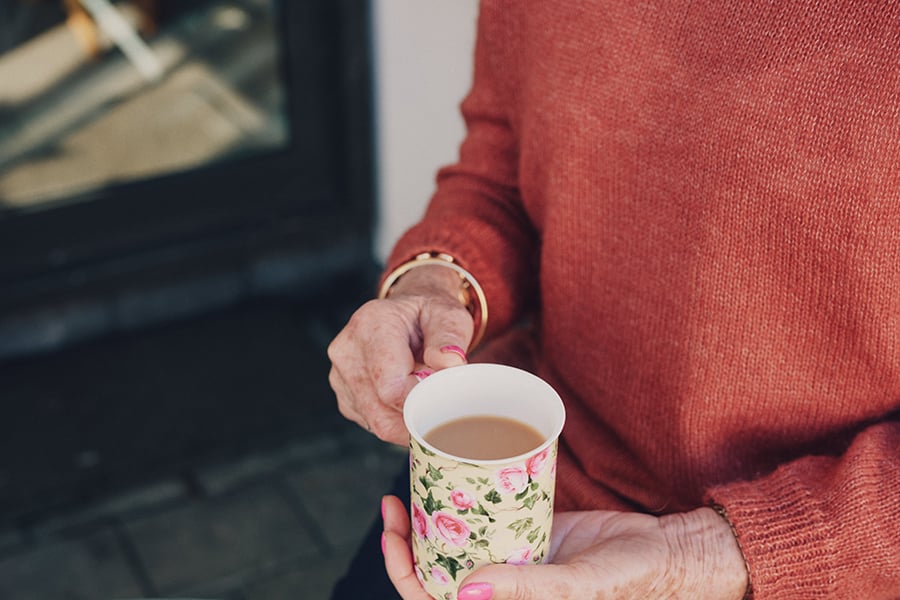
- Try linking practice to an existing daily habit, such as morning tea, after a walk, or before bed, to make it easier to remember
Safety tips for breathing exercises in older adults
Breathing exercises are very safe for most people, but it's always sensible to approach something new gently. A few things to keep in mind:
- Start gently and never push through discomfort
- Stop if you feel dizzy or lightheaded, and rest before trying again
- Sit upright with your back supported to allow full lung expansion. Slouching limits how deeply you can breathe
- Breathe through your nose where possible, as this warms and filters incoming air
If you have a diagnosed respiratory condition such as COPD or asthma, or if you're recovering from recent illness or surgery, please check with your GP before starting a new breathing practice.
Breathing exercises in aged care settings
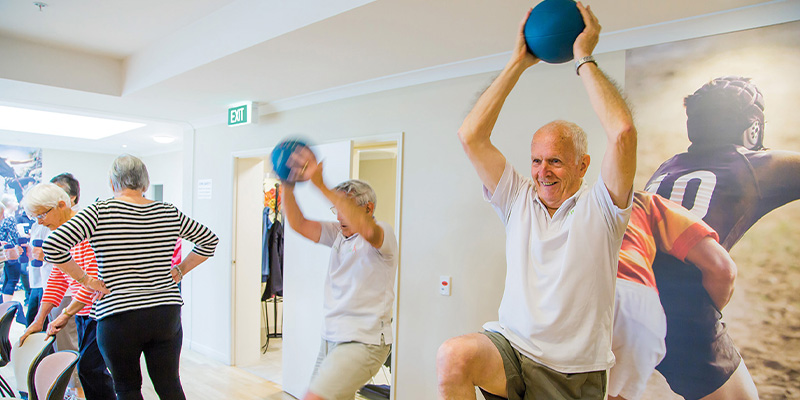
Breathing exercises may be included as part of care wellbeing programmes as they're simple, gentle and accessible for nearly everyone. When practised regularly, they can help support physical and emotional wellbeing.
Group breathing sessions are a shared activity that encourages social connection and a sense of community.
Breathing exercises may be included as part of a personalised care plan, alongside other activities that support mobility, strength and overall health. By combining physical benefits with relaxation and mindfulness, these exercises can be part of a holistic wellbeing approach.
Small daily habits, big benefits
You don't need a gym, special equipment, or a lot of spare time. All it takes is a comfortable chair, a few quiet minutes, and the intention to breathe a little more mindfully each day.
Over time, these small moments add up to noticeable improvements: better lung strength, reduced breathlessness, a calmer nervous system, and better sleep. Breathing exercises are also one of the few health tools that are always with you, ready to use wherever you are.
At Ryman, we take a holistic approach to health – supporting residents to stay active and feeling their best through our complimentary Triple A exercise programme, a calendar of activities and events to pick and choose from, warm and healthy homes, nutritious food, and a focus on community wellbeing.
Frequently asked questions
Find out more
If you'd like to find out more about life at Ryman and how we support healthy, active ageing, we'd love to hear from you.
Get in touch with our friendly New Zealand team today on 0800 796 261, enquire online, or find a Ryman village near you.
by Christine McCurdy | Aug 11, 2026
Balance exercises for seniors | Ryman New Zealand
Anxiety in older adults