
Deciding how you or a loved one will be supported later in life is seldom just a financial decision. For many people, weighing up in-home care vs assisted living cost also involves emotional and practical considerations such as level of independence, comfort, safety, and the desire to reduce pressure on family.
In this guide, we explore the differences between in-home care and assisted living in New Zealand, look at upfront and ongoing costs, hidden expenses, and long-term value, so you can make a more confident, informed choice.
What’s the difference between in-home care and assisted living?
Before comparing costs, it's helpful to understand how each option works.
In-home care
In-home care is a range of support services delivered in your own home. This may include help with cleaning and meals, personal care, nursing support, or more intensive daily assistance.
Assisted living
Living independently in a serviced apartment within a retirement village, with access to daily support, meals, social activities, and professional care tailored to your needs and preferences.
How much do assisted living homes cost in New Zealand?
Average cost of assisted living
While fees vary by provider and location, assisted living costs are commonly structured as:
- An entry payment to purchase the right to occupy your serviced apartment in a retirement community. People usually sell their family home to pay for this. If the value of your property is higher than the cost of your apartment in the village, you’re likely to free up significant capital by doing this.
- A deferred management fee (DMF), which is your contribution to the continued maintenance and management of the village, including your unit and village amenities. Often referred to as a departure fee or exit fee, the DMF is an amount that only becomes payable when you permanently vacate your unit.
- A weekly fee covering services such as meals, housekeeping, and personal care. This may be fixed or indexed. Fixed fees are generally significantly higher, but they stay fixed over time. Indexed fees are generally lower and gradually increase in line with the annual increase in NZ Super.
- You may also pay a service fee for any additional services you choose to receive.
What does it cost to buy an assisted-living apartment?
To see the cost of specific assisted-living apartments in a Ryman village near you, visit Find a Village and choose the village you’re interested in. You’ll be able to view prices for homes that are available now.
Ryman villages are located throughout Auckland and across New Zealand.
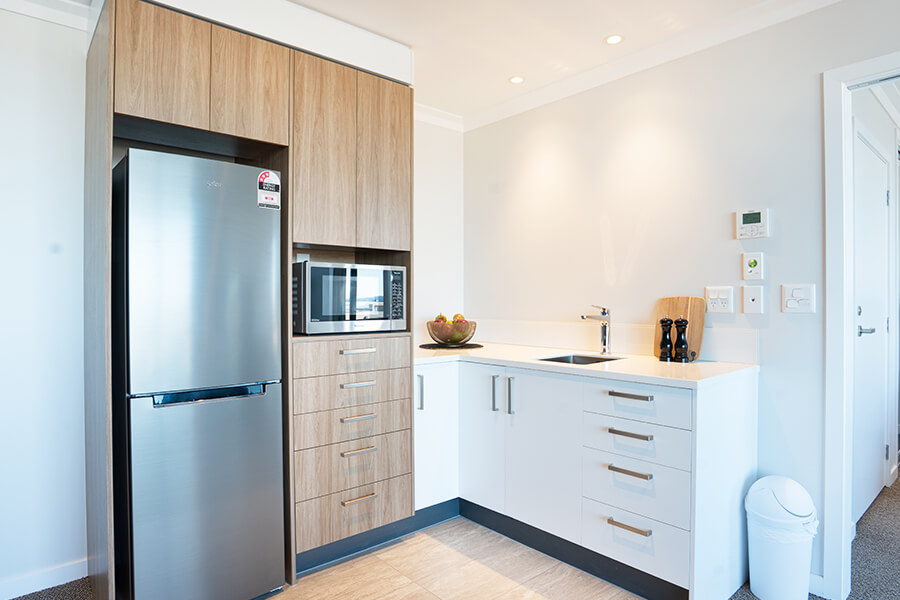
Ryman assisted-living apartments come with kitchenettes, making it easy to prepare light meals and snacks.
What’s included in assisted living costs?
Weekly fees for assisted living in New Zealand vary widely as it depends on the region you’re living in, what level of assistance you require, and whether you’re paying via fixed or indexed fee.
While services vary between providers and support tiers, the following is often covered by the weekly fee:
- Rates, building maintenance and window cleaning
- Electricity, including heating and cooling costs
- Meals (often daily or flexible dining options)
- Personal care support if needed
- Housekeeping and linens
- Social activities and events
- Access to village amenities
- On-site safety features such as emergency call bells and health checks
- Village security patrols
Knowing exactly what is covered by the weekly fee makes it easier for people to budget and helps to buffer the rising cost of living.
Cost of assisted living near me: what affects pricing?
Pricing will depend on several factors:
- Location: urban versus regional areas
- Level of care required
- Room type and size
- Amenities such as dining, wellness, and activities
- Provider model and integrated care options
What is the weekly fee for assisted living at Ryman?
To find out the weekly fee for assisted living in a Ryman village near you, visit Find a Village and contact the village you’re interested in, or phone 0800 000 290.

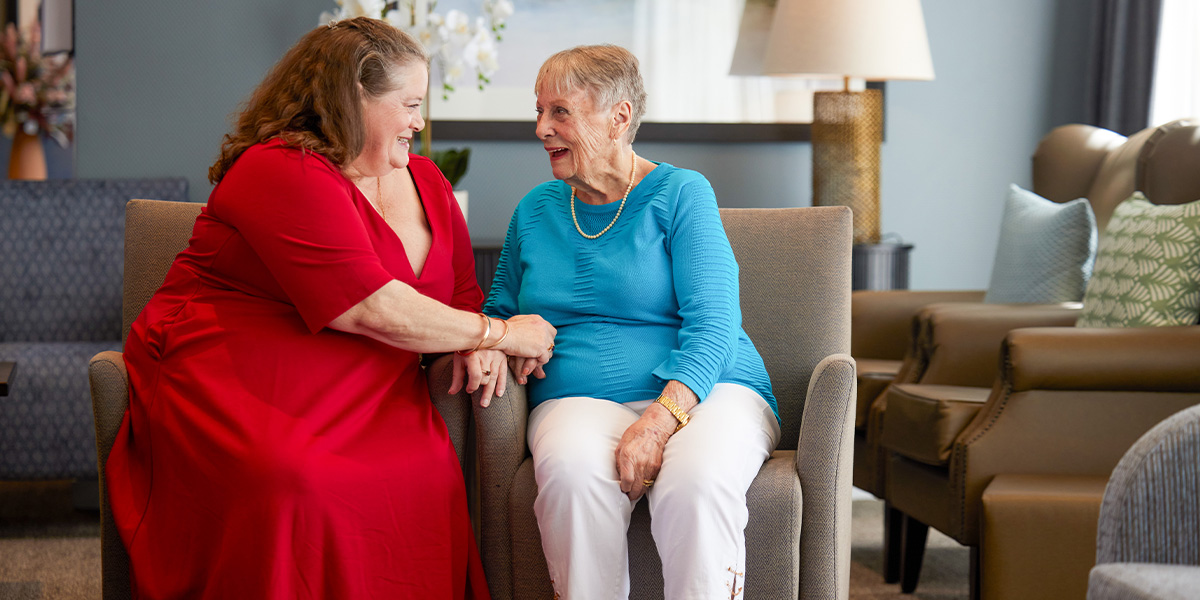
A benefit of assisted living in a retirement village is becoming part of a friendly and supportive village community.
In-home care costs explained
In‑home care (often called home support services) helps older people live safely and independently in their own homes. Support can range from a few hours a week to daily or even overnight care.
This may be government-funded if you meet the eligibility criteria, or you can pay privately.
To access government‑funded care, an older person must first have a Needs Assessment carried out by a local Needs Assessment and Service Coordination (NASC) service on behalf of Health New Zealand | Te Whatu Ora. A GP, hospital, or the person themselves can request the assessment. If eligible, a care plan is created outlining what help is approved and how often.
Types of support available
In‑home care may include:
- Personal care
- Household help
- Nursing or clinical visits
- Companionship and social support
- Respite care
- Home modifications and safety equipment
What in‑home care costs in New Zealand
Costs depend on whether care is government‑funded or privately paid, the level of care, and how many hours are needed.
- In-home care is usually priced by the hour. Approximate rates in New Zealand tend to range between NZ$40–$70 per hour in 2026, depending on the services provided.
- Overnight or live‑in care costs vary widely depending on hours and complexity but can be comparable to the cost of rest‑home care on a weekly basis.
- If you qualify for government-funded help, approved services are usually free or heavily subsidised. Funding is limited and wait times can apply for non‑urgent support.
- If you don’t qualify for public funding, or want more flexibility or hours, private care is widely available.
Key things to know
- Government‑funded care prioritises essential needs, not lifestyle extras. While this support is helpful, it may not cover all your needs. The number of hours allocated varies significantly, meaning families may need to supplement with private home care.
- Private care offers more flexibility but requires careful budgeting.
- Costs will vary by region and provider.
What does this look like in practice?
A common privately paid scenario – personal care plus household help a few times a week – may cost around $25,000 per year for part‑time support, excluding normal living expenses such as food, power, rates, and insurance.
Additional costs to consider
- Home modifications such as rails, ramps, or bathroom upgrades
- Increased grocery, utilities, and home maintenance costs that may outstrip NZ Super increases, particularly in times of high inflation
- Transport to appointments and activities
- If needs increase, the costs can also increase substantially
When in-home care becomes more expensive
In-home care typically suits people with lower or short-term support needs. Costs often rise sharply when:
- Care needs increase
- All meals need to be provided
- Multiple daily visits are required
- Overnight or full-time supervision is needed
- The physical and emotional strain placed on family carers becomes too much and help is needed urgently
- It becomes increasingly expensive to maintain the family home
At this stage, the total spend may outweigh the cost of assisted living, while offering fewer lifestyle benefits. Another consideration is that if a person is already in assisted living in a Ryman village, they’ll have priority access over non-residents to the onsite care centre in the village.

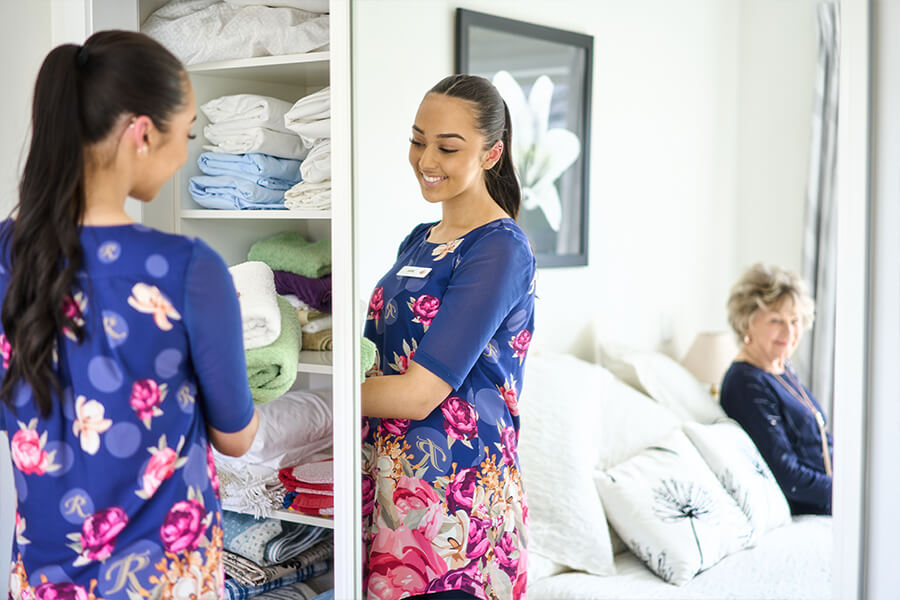
Assisted living residents have the option to receive nutritious meals every day.
Which option offers better value?
Value isn’t just about price. Choosing the right support is about finding what works best for your lifestyle, health, and peace of mind, now and in the future.
Assisted living may be best when:
- You want built-in daily support, without the hassle of managing multiple service providers
- You want to feel safe and secure – sometimes neighbourhoods change and people no longer feel as safe in their family home
- You’re feeling increasingly isolated or lonely and would like more social connection
- You want priority access to a care centre if your needs change
- You like the predictability of one weekly fee which covers the services you need
- You don’t want family members to feel responsible for your care
- Maintaining your home and garden used to feel enjoyable but is beginning to feel like a burden
In‑home care may suit best if:
- Your support needs are light, temporary, or not expected to increase in future
- Your home is already safe or can be easily adapted to your needs
- Government‑funded support meets your needs
- You’re highly independent and do not feel isolated socially
- Family members are willing and able to step in and provide support if needed
Explore assisted living with Ryman Healthcare
If you’re comparing in-home care vs assisted living cost, why not visit a village near you and take a village tour? Seeing a village in person can make the differences clearer and help you to make up your mind what is right for you.
FAQs
by Christine McCurdy | May 8, 2026
How long can someone stay in respite care in New Zealand?

Aged care for couples | Ryman New Zealand